
Fire is one of the few workplace hazards that can destroy a business in a single afternoon — and injure or kill workers in minutes. Yet most industrial fires start from a small, well-understood set of causes, which means most are preventable. This guide covers how fires start, how to reduce the risk, and why early detection and a clear response plan matter as much as prevention.
How fires start: the fire triangle
Every fire needs three things at once — fuel, oxygen, and a heat/ignition source. Remove any one and a fire can't begin or sustain itself. Most prevention measures are really just ways of keeping these three apart.
Common ignition sources in industry
- Electrical faults — overloaded circuits, damaged cabling, failing motors and panels.
- Hot work — welding, grinding and cutting throwing sparks near combustibles.
- Friction and overheating — bearings, conveyors and machinery running hot.
- Flammable materials — solvents, dusts, gases and packaging stored or handled carelessly.
- Smoking and open flames in areas where they don't belong.
Prevention: keeping the triangle apart
- Good housekeeping — control combustible clutter, dust and waste; a clean site burns far less readily.
- Maintain electrics and machinery — most electrical fires are preventable with inspection and load management.
- Hot-work permits — clear the area, post a fire watch, and re-check after the work ends.
- Store flammables properly — correct cabinets, ventilation, and separation from ignition sources.
- Control ignition — enforced no-smoking zones and spark control where flammables are present.
Why early detection matters
A fire roughly doubles in size at regular intervals in its early stages, so the minutes after ignition decide everything. Smoke and heat detection, regular inspection of detection systems, and clear escalation are what turn a contained incident into a near-miss instead of a catastrophe. Detection only helps if the alarm actually reaches someone who can act.
Prevention keeps most fires from starting. Early detection decides what happens to the ones that do.
The response plan
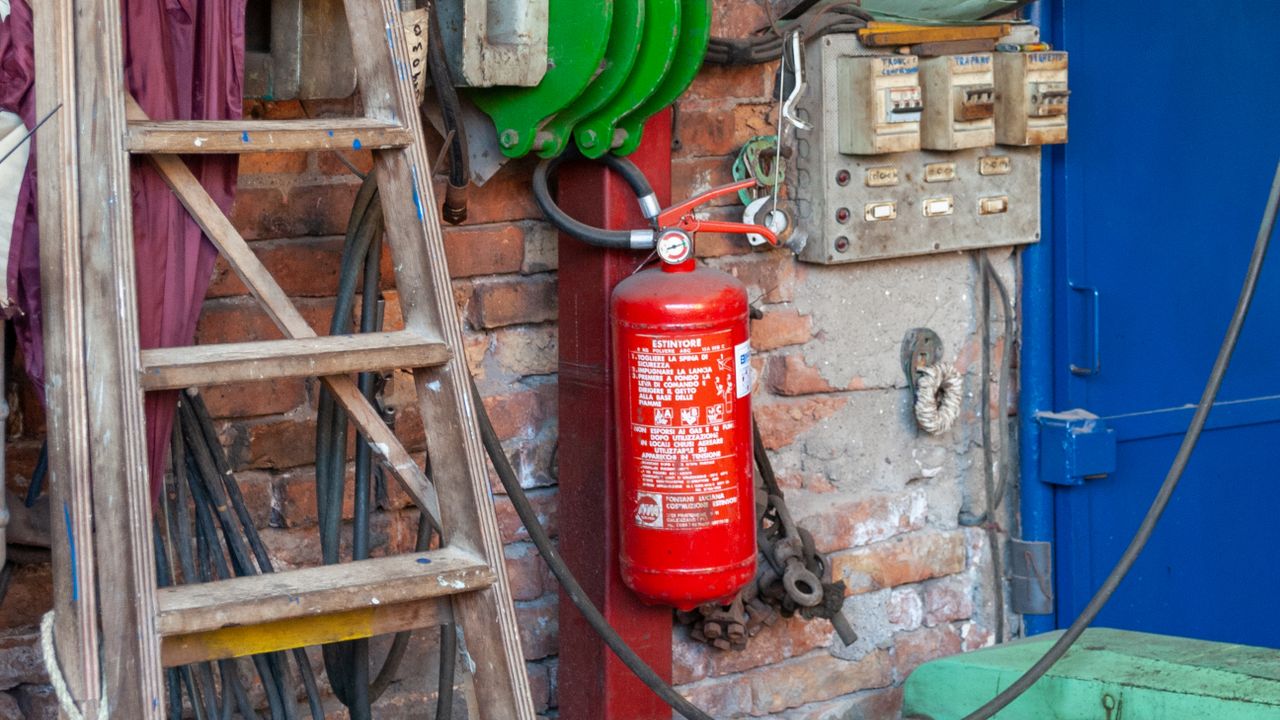
A workable emergency plan covers the basics, practised until they're automatic: raise the alarm, evacuate by known routes, account for everyone at a muster point, and only attempt to fight small, contained fires with the right extinguisher and an escape route at your back. Extinguisher type matters — using the wrong class on an electrical or flammable-liquid fire can make things worse.
Where monitoring fits
Dedicated fire-detection systems remain the backbone of any fire strategy. Increasingly, camera-based monitoring complements them: computer vision can flag visible flame or smoke in areas a smoke detector may not cover well — large open bays, yards, or outdoor storage — and can also enforce the prevention layer, such as spotting smoking in a no-smoking zone. It augments detectors and the human watch; it doesn't replace them.
The takeaway
Fire safety is mostly unglamorous discipline — housekeeping, maintenance, permits, and storage — backed by detection that raises the alarm fast and a plan everyone has rehearsed. Get the prevention right and you rarely test the response; invest in detection and planning so that when you do, it works.
All posts